

Wadi – Hidden Water
Outdoor
Site: Tharwa Sea Front, Saudi Arabia
Year 2025
Design Competition
Wadi evolves from the design research developed for Euroflora 2025, focused on the relationship between the tactile and the visual in the making of space.
In that project, the ground was conceived as a transparent image, revealing the stratifications of matter and time.
Here, the exploration deepens and shifts from surface to volume: the earth becomes a living mass, carved by time, nature, and human action.
From the competition:
WADI/HIDDEN WATER
The wadi is both hidden water and rock carved by time.
It embodies the dialogue between the fluid and dynamic presence of water and the solid permanence of the ground.
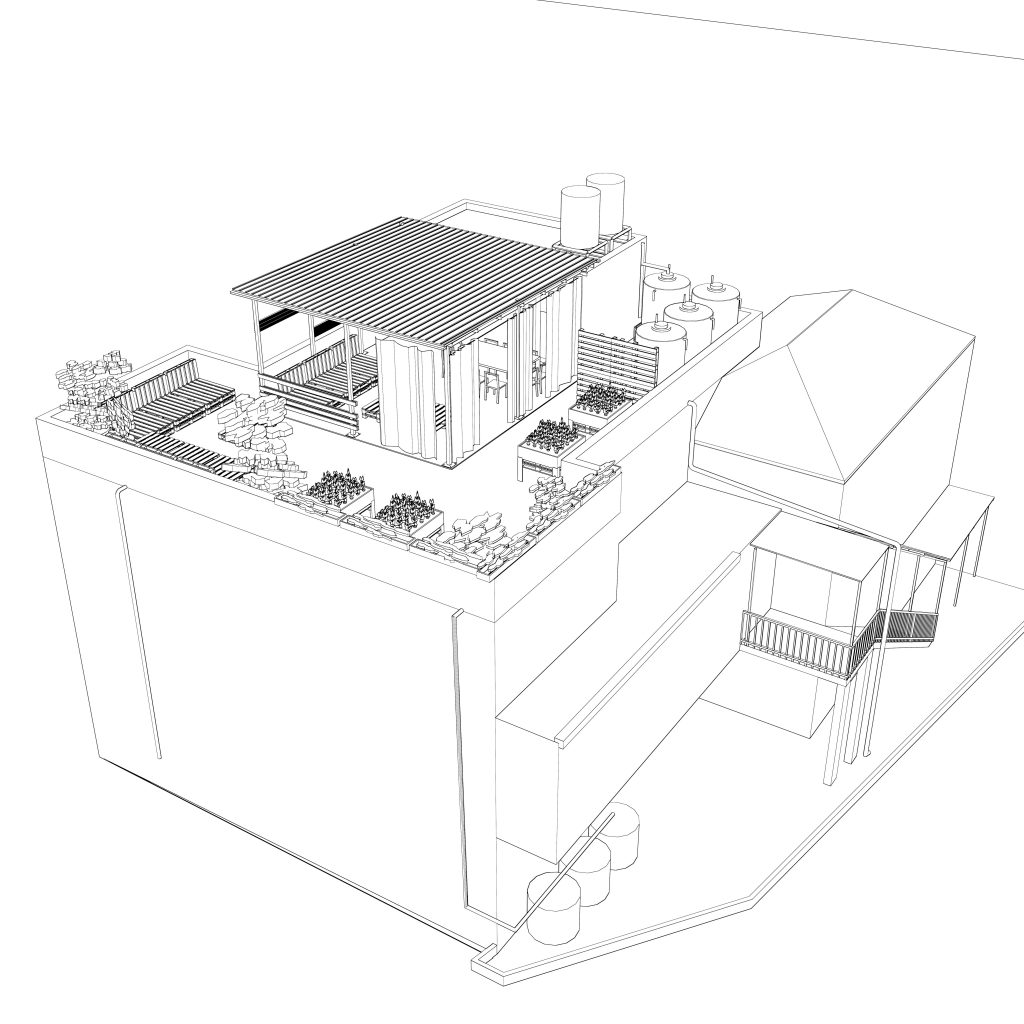
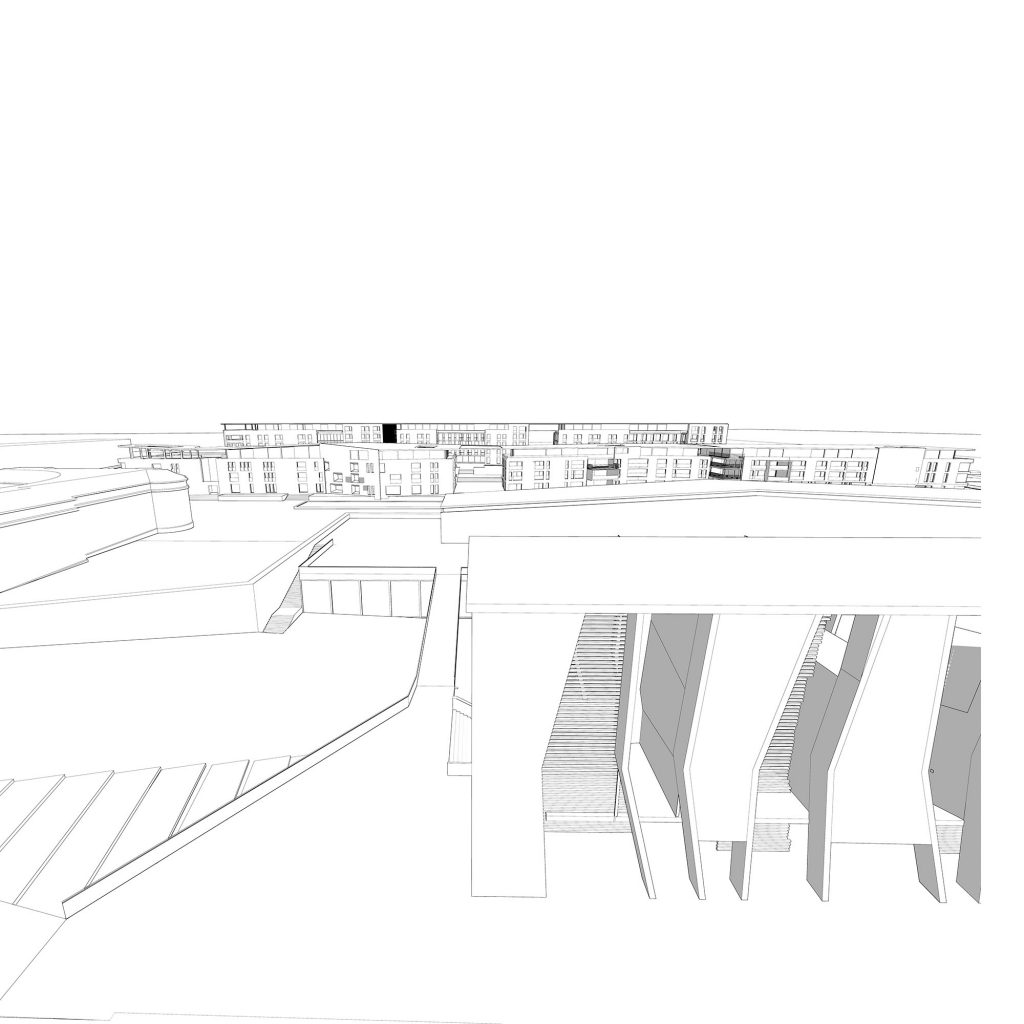
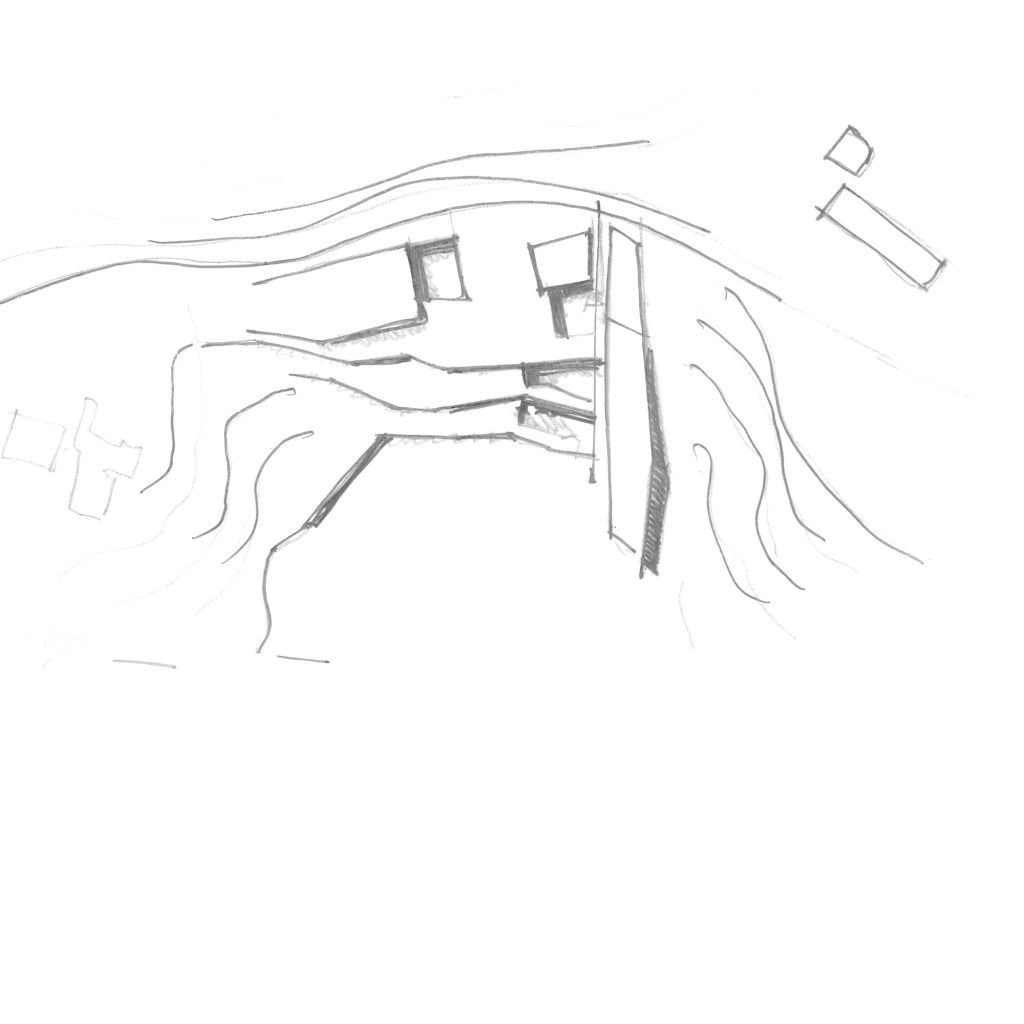
A fragment of the earth is imagined as being subtracted and elevated above the site.
By lifting this mass, the horizon remains open while the secret of hidden water emerges beneath.


This square, transformed into an elevated cube, is hollowed inside like a primordial rock, shaped by wind and water.
In arid landscapes, life must be searched for.
Water is not revealed in open fields, but discovered as a surprise, enclosed and protected.
The project follows this principle, creating an inner sanctuary where water and vegetation are safeguarded.
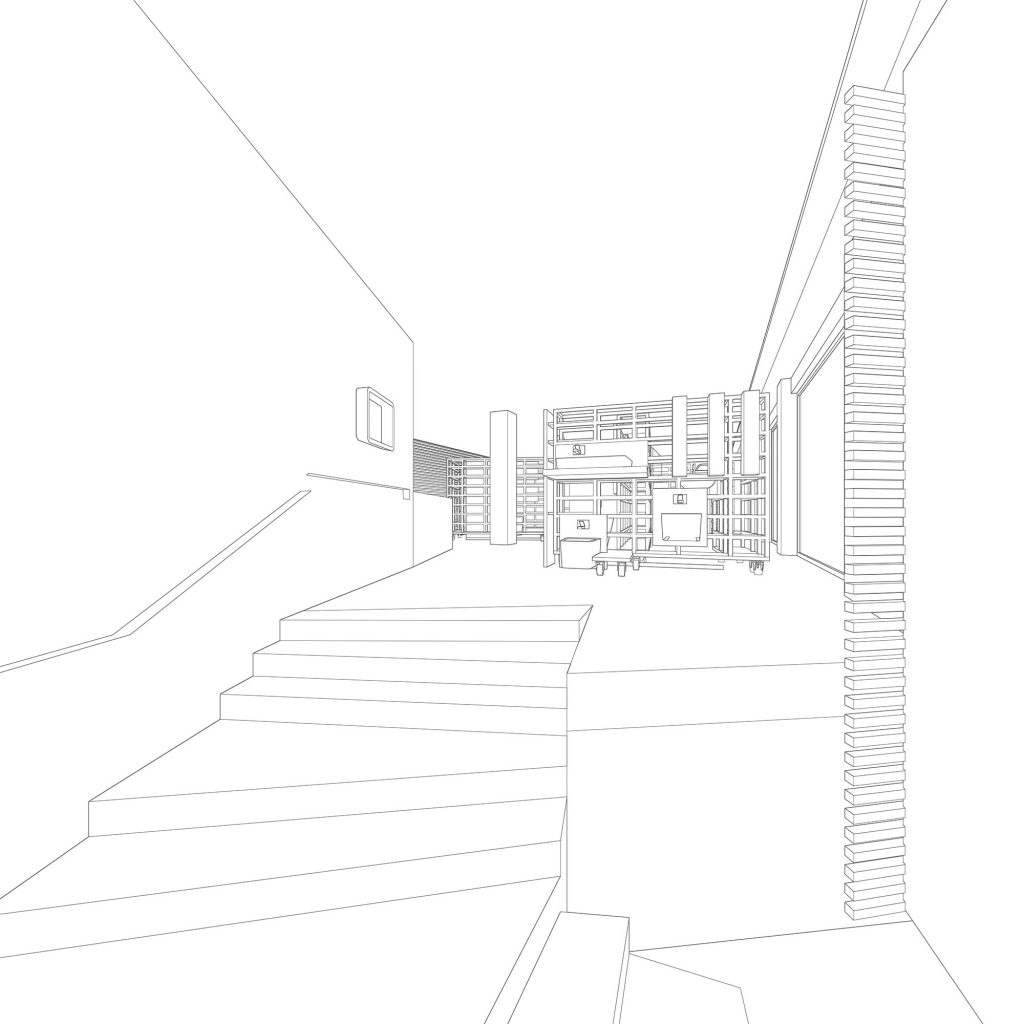
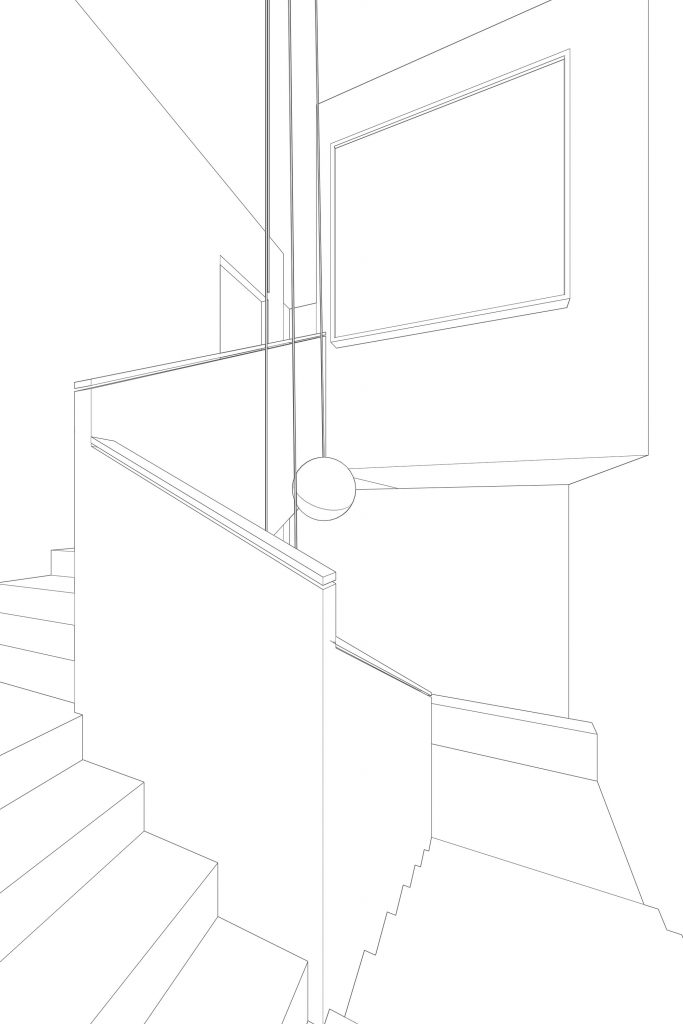
An experiential path guides visitors from the ground plane to the interior of the excavation.
In this hidden place, through narrow fissures and framed views, one rediscovers the sea and the horizon beyond.
Within the fluid veins of the carved mass, a dry yet luxuriant nature grows.
The terraces host four seasonal landscapes, with changing colors and blossoms that represent the cycle of life.
Each season transforms the space with subtle variations of texture, tone, and light, ensuring that the sculpture is never static but always alive.
The project is at once mineral mass and secret garden, a balance of architecture and landscape, of solidity and movement.
Around the sculpture, a selection of resilient trees and shrubs reinforces the atmosphere.
Species such as Prosopis, Tamarix, and various citrus trees enrich the surroundings with shades of green, silver foliage, and seasonal blossoms.
They are chosen for their variation of color, their symbolic meaning, and their adaptation to arid coastal climates.
By day, the sculpture appears as a stone mass reflecting the desert light.
By night, it becomes a luminous beacon, glowing from within, where water, vegetation, and light transform the wadi into a landmark for the city.
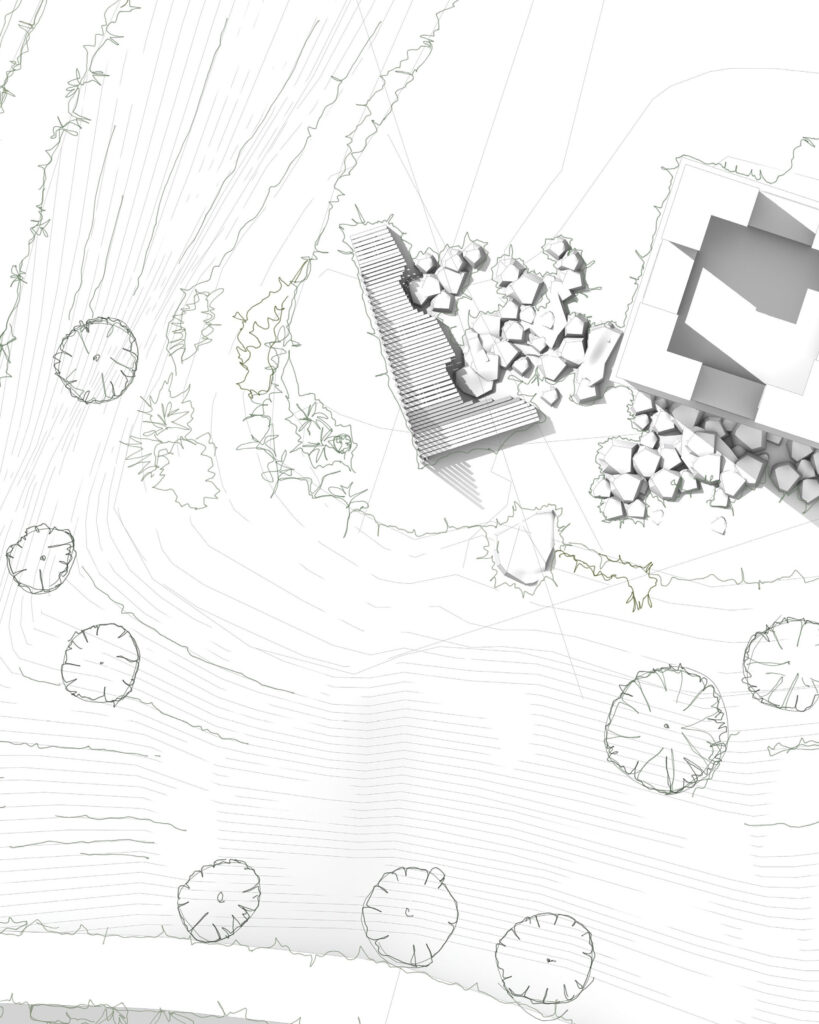
In contrast with the fluid geometries that define the ascent to the wadi, the organization of the ground is structured through a pattern of parallel lines traced at variable distances.
Within this rhythmic layout of the pavement, walkable planting beds are inserted, bringing vegetation into the public space.
The sequence concludes with shaded seating areas, whose form recalls the square and cubic geometry of the wadi itself.
This ordered ground design creates a counterpoint to the carved mass above, balancing movement and stillness, erosion and structure.
Related projects