

Palasport – Competition Concept
Euroflora, Genoa 2025
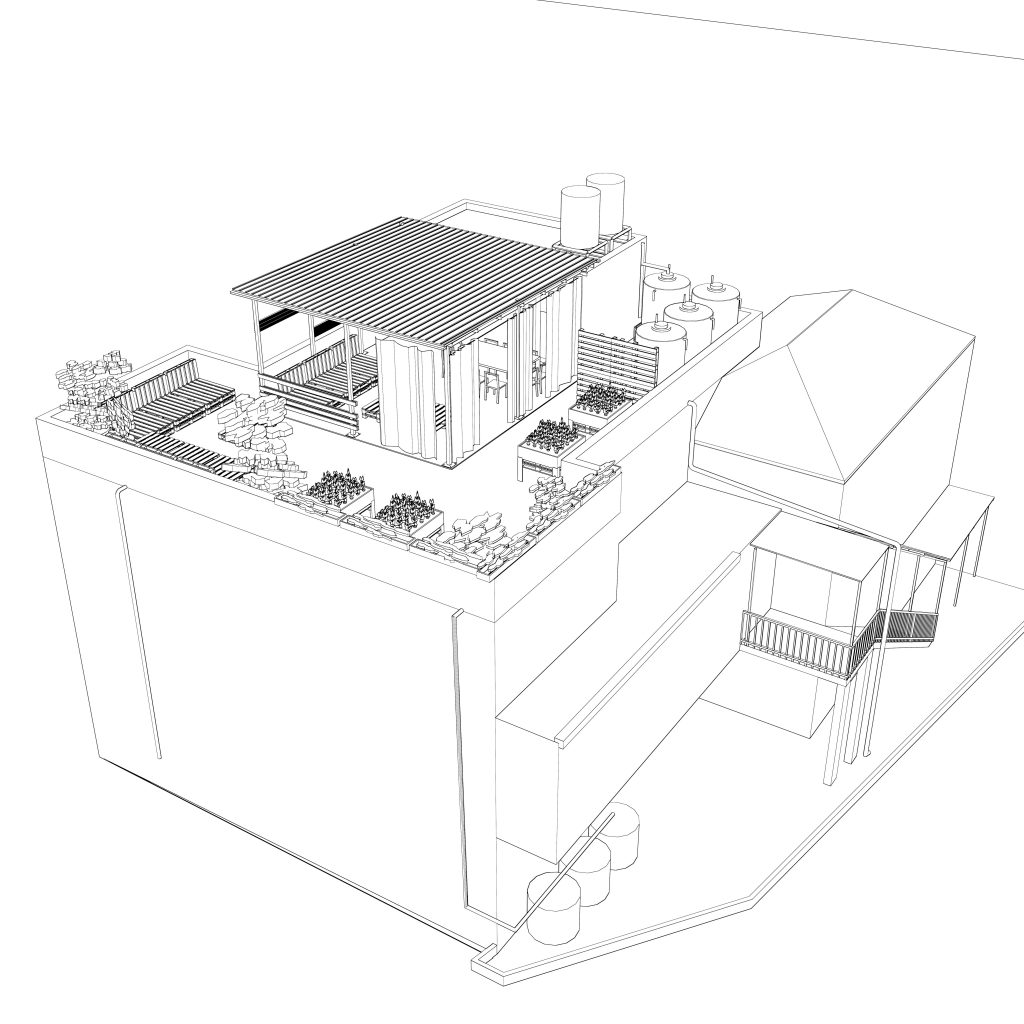
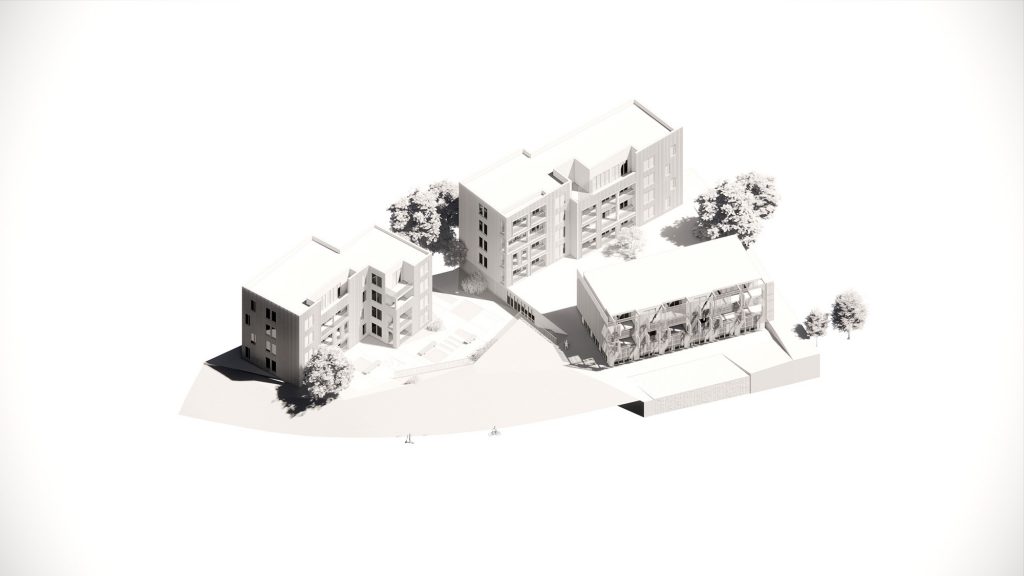
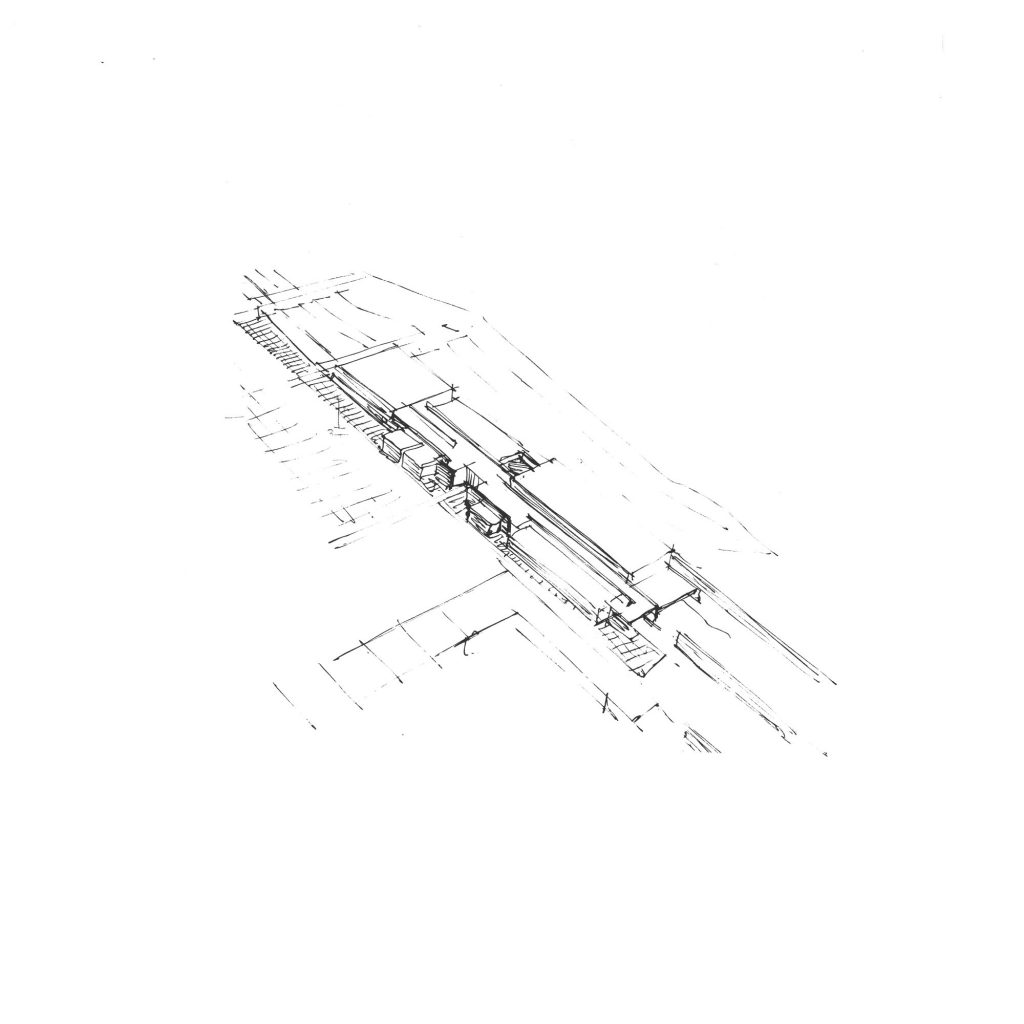
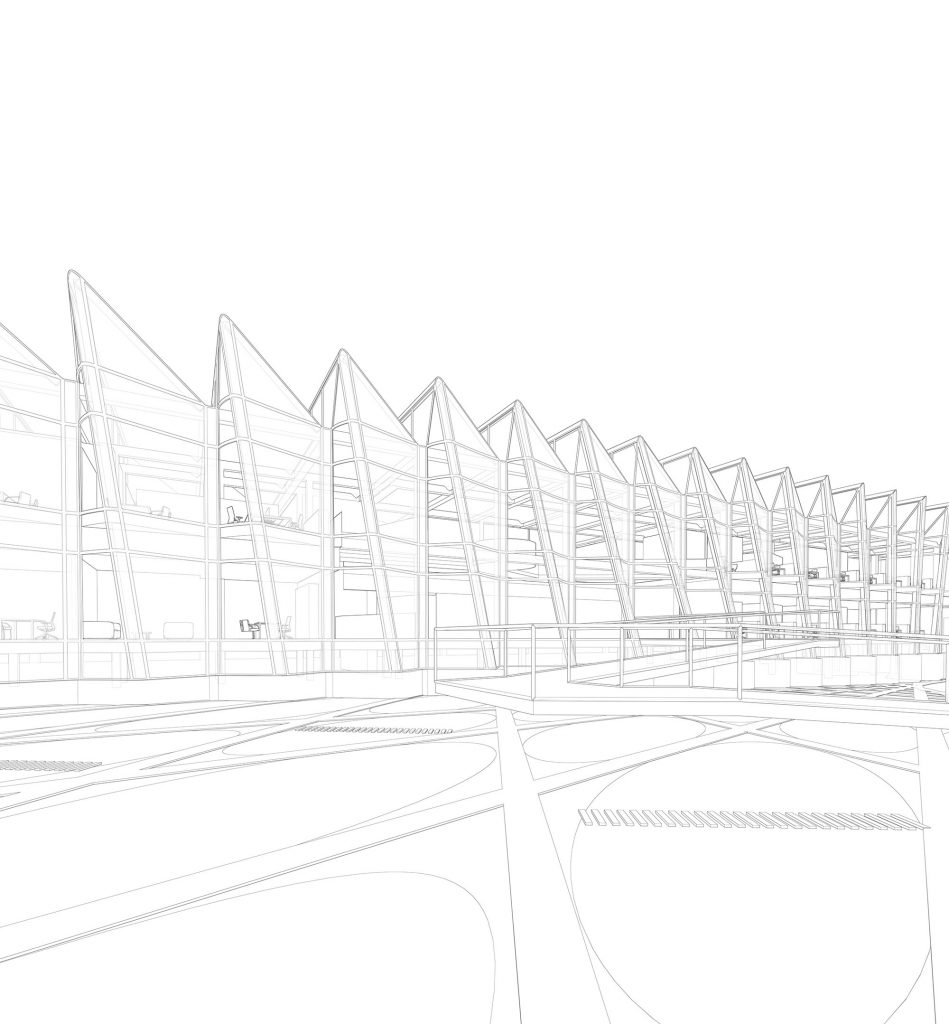
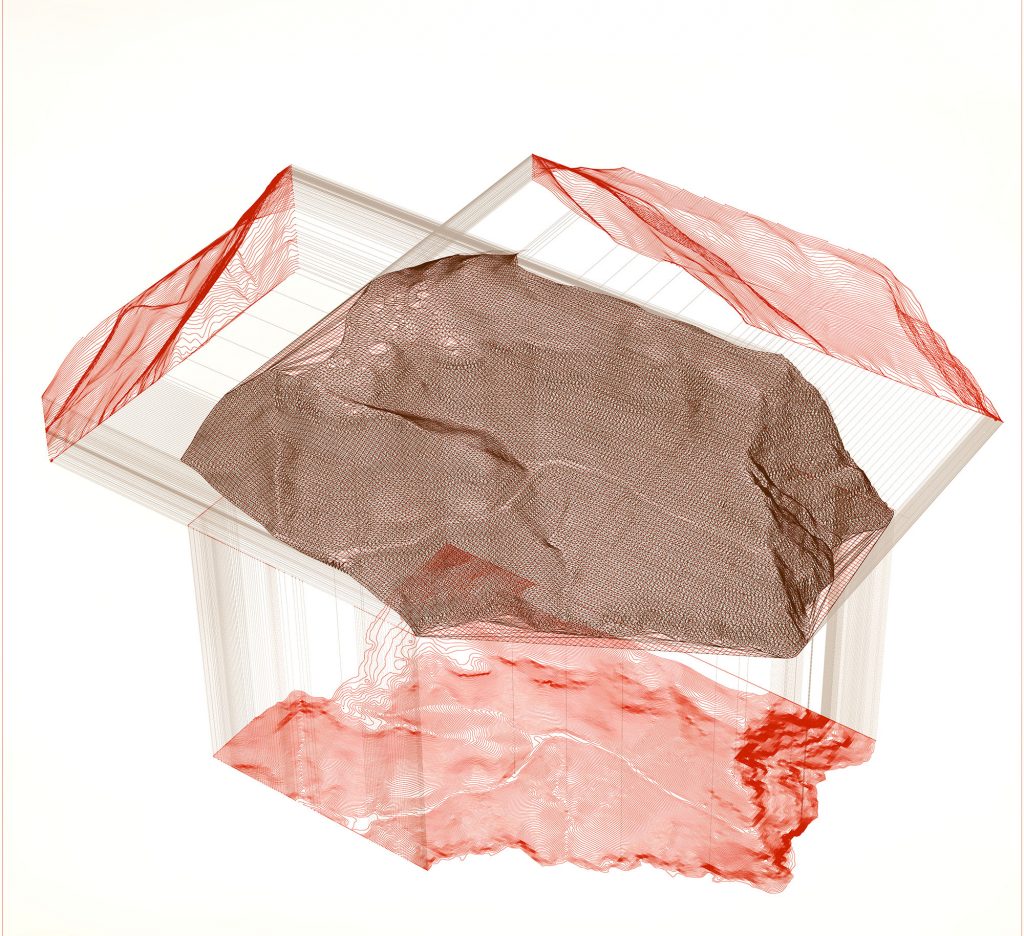
The ground is conceived as a thick, three-dimensional condition, where the mirroring dialogue between essentially horizontal surfaces unfolds from a specific perspective.
Through fragmentation and controlled fluidity, the project elaborates the relationship between surface and depth, between ground and overhead elements.
Within the broader Euroflora research, the dialogue between the tactile and the visual is here articulated through a specific investigation of ground and surface.


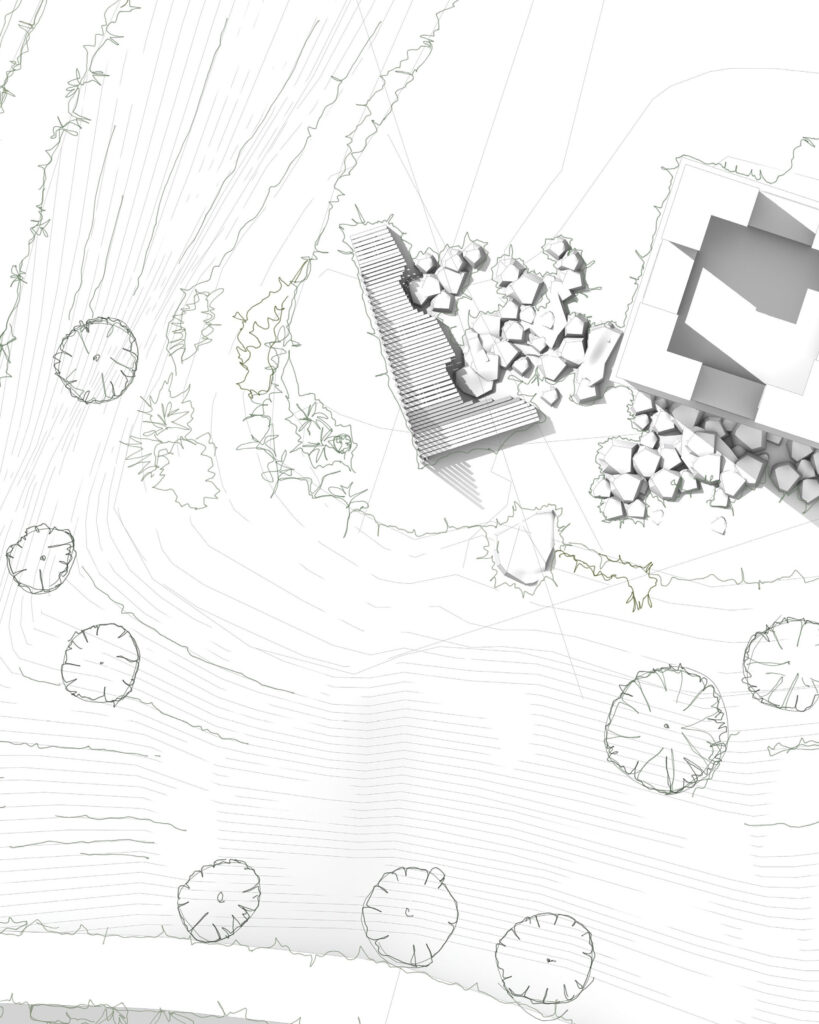
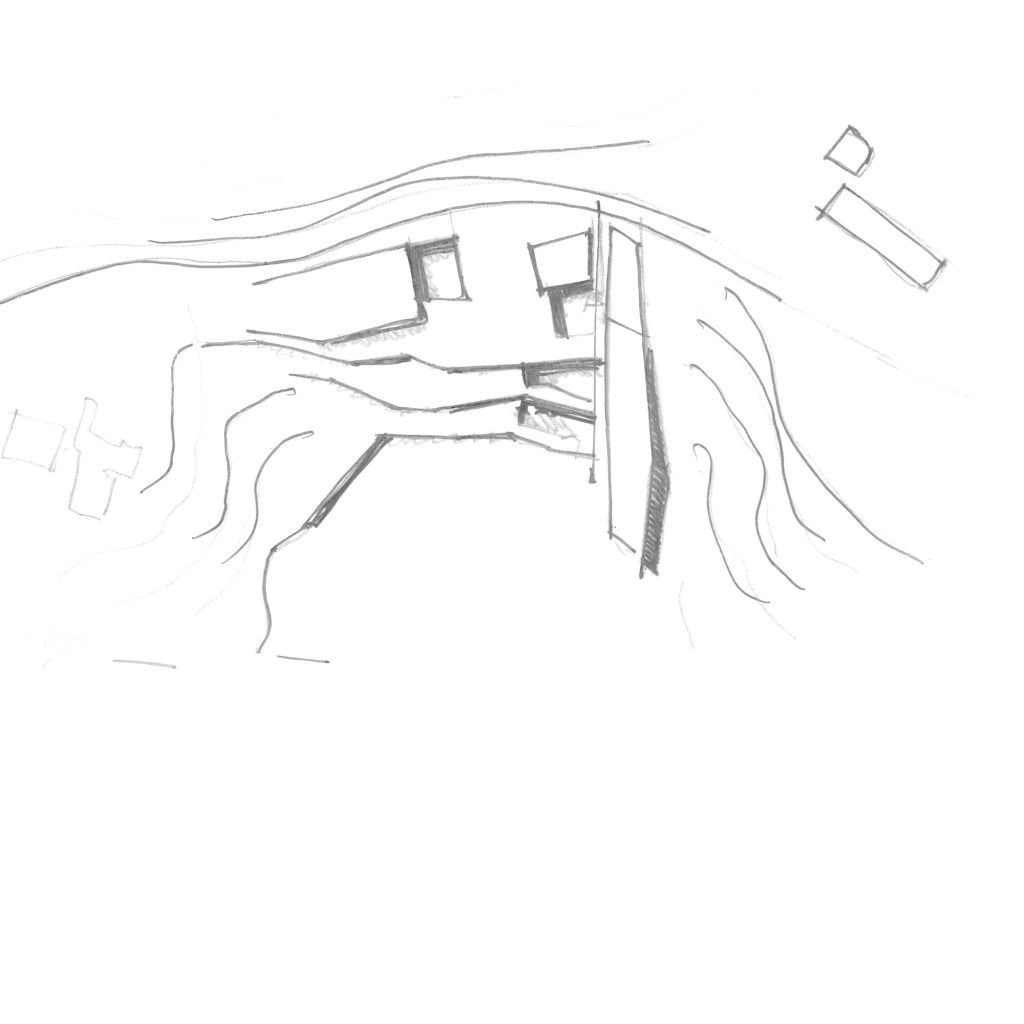
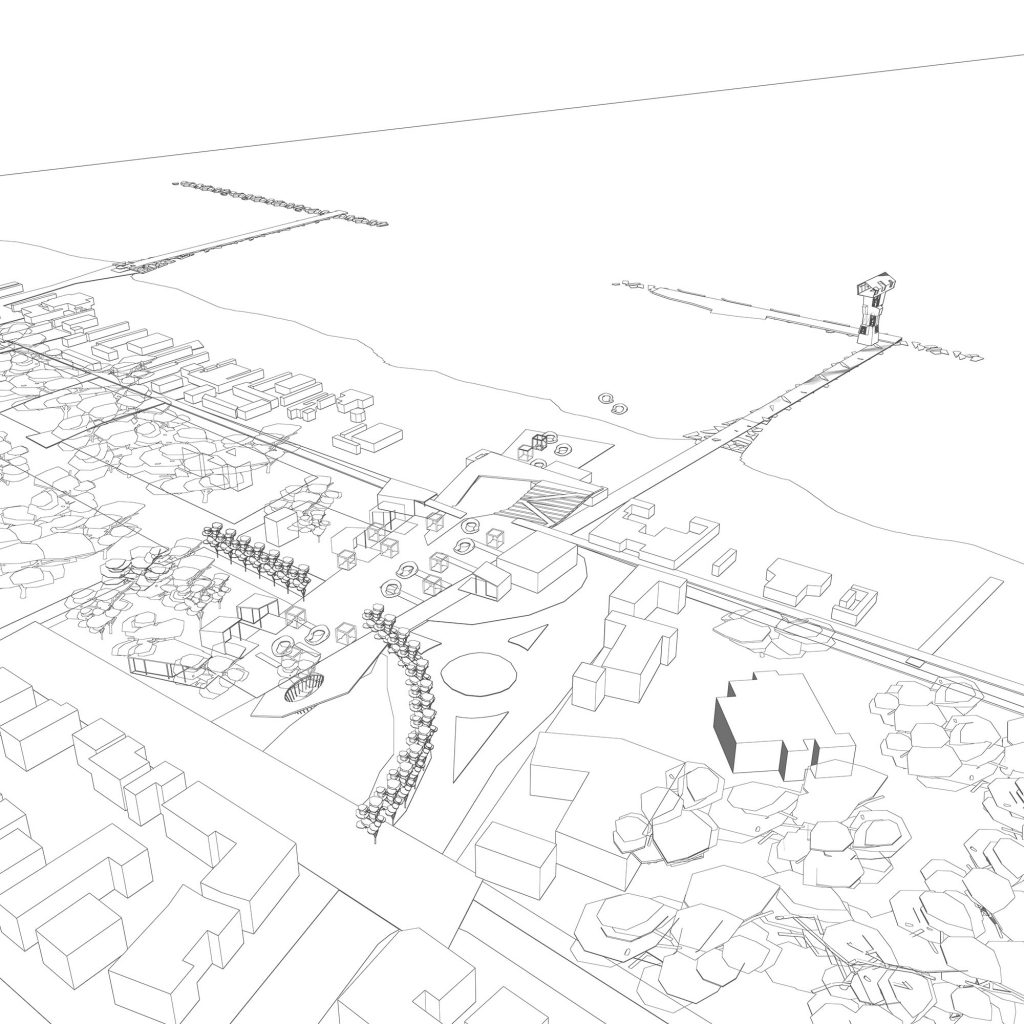
The proposal engaged the centrality inherent to the typology through a fragmentation of plates connecting the stands and the parterre. The ground was conceived as a three-dimensional field, articulated according to different yet interrelated spatial logics, rather than as a neutral surface.
A theoretical reference — Lo spazio del moto by Nico Ventura — discusses, in relation to Mies van der Rohe’s Barcelona Pavilion, a conceptual shift that has remained influential. The vertical axis of symmetry typical of classical architecture is overturned into a horizontal one, where the horizon becomes the axis through which what lies above our heads is brought into relation with what we walk upon. This symmetry is phenomenological rather than literal.
The unrealized project by Koolhaas in Agadir can likewise be read in relation to this theme: the desert ground reflected like a mirage, suspended between surface and depth.
The Palasport concept attempted to continue this dialogue. A Voronoi pattern was projected onto a “low” surface, evoking the cretto while simultaneously suggesting the condition of an impluvium and a certain fluidity in relation to the prescribed entrance and exit axis. Perhaps a diabolical hybrid.
The device would have found completion through the presence of a light, transparent surface capable of reflecting the ground and engaging in dialogue with the celebrated existing structure. A series of fragmented draperies was conceived, likewise projected onto a virtual reflective surface. This gesture was not intended as a corrective addition, but as an intrinsic extension of the relationship between surface and thickness that informed the overall concept.
This direction could not be pursued for several reasons, most notably the impossibility of anchoring to the historic structure. The project therefore evolved along a different path, one that succeeded in enhancing the existing architecture and the installations within a more intimate spatial condition.
What remains is not a sense of loss, but the identification of a conceptual node that was central to the broader Euroflora framework, even if later dispersed across other episodes of the project: the exploration of ground as a spatial device oscillating between surface and thickness. The need to further investigate that initial intuition persisted, even if only through a 3D print.
Architectural Design: Matteo Fraschini Architetto and Urges Srl
Client: Porto Antico di Genova Spa
Related projects