Art installation
Orticolario 2026
Villa Erba, Cernobbio, Italy
1–4 October 2026
Sound: Simone Libralon
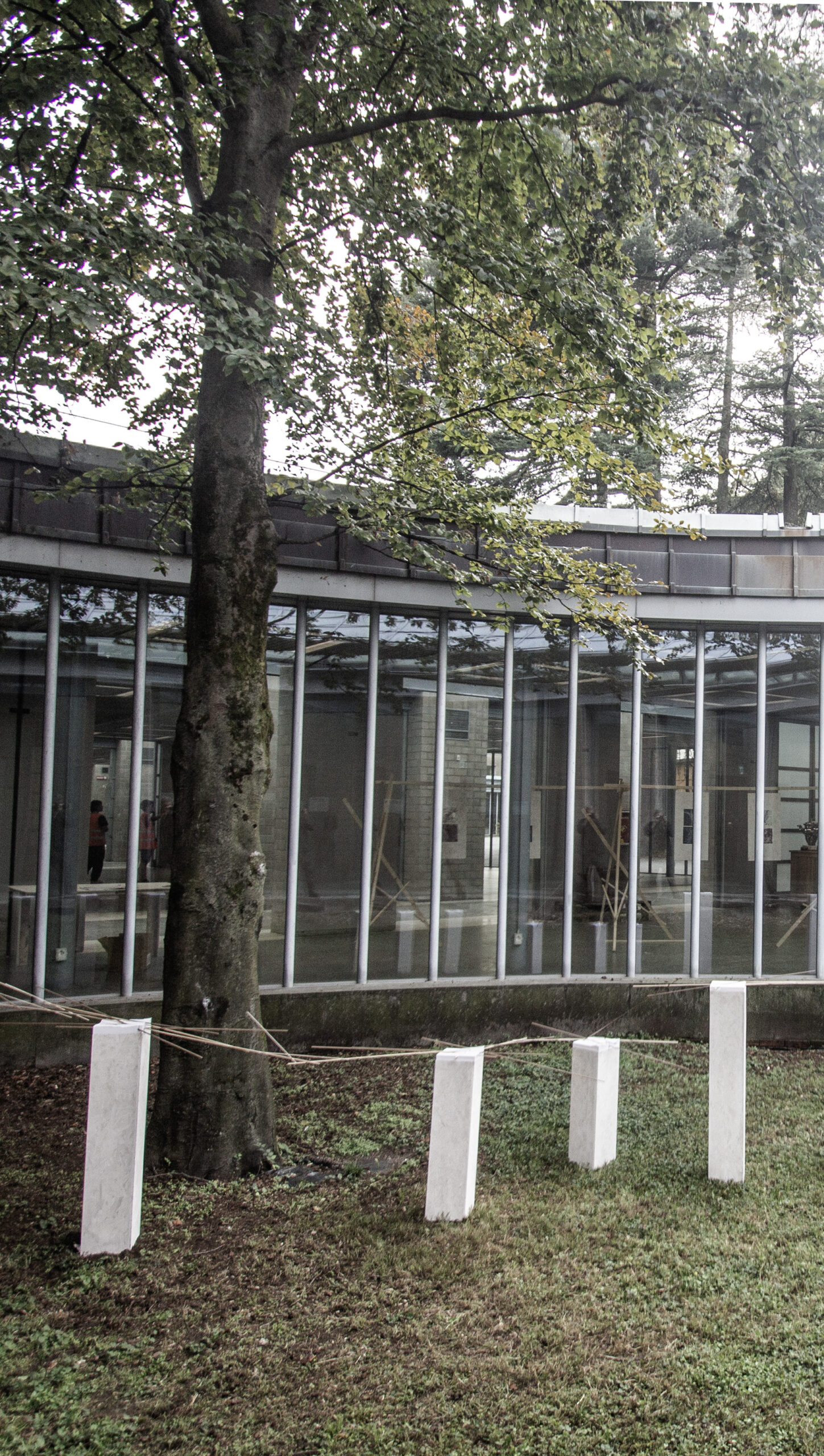
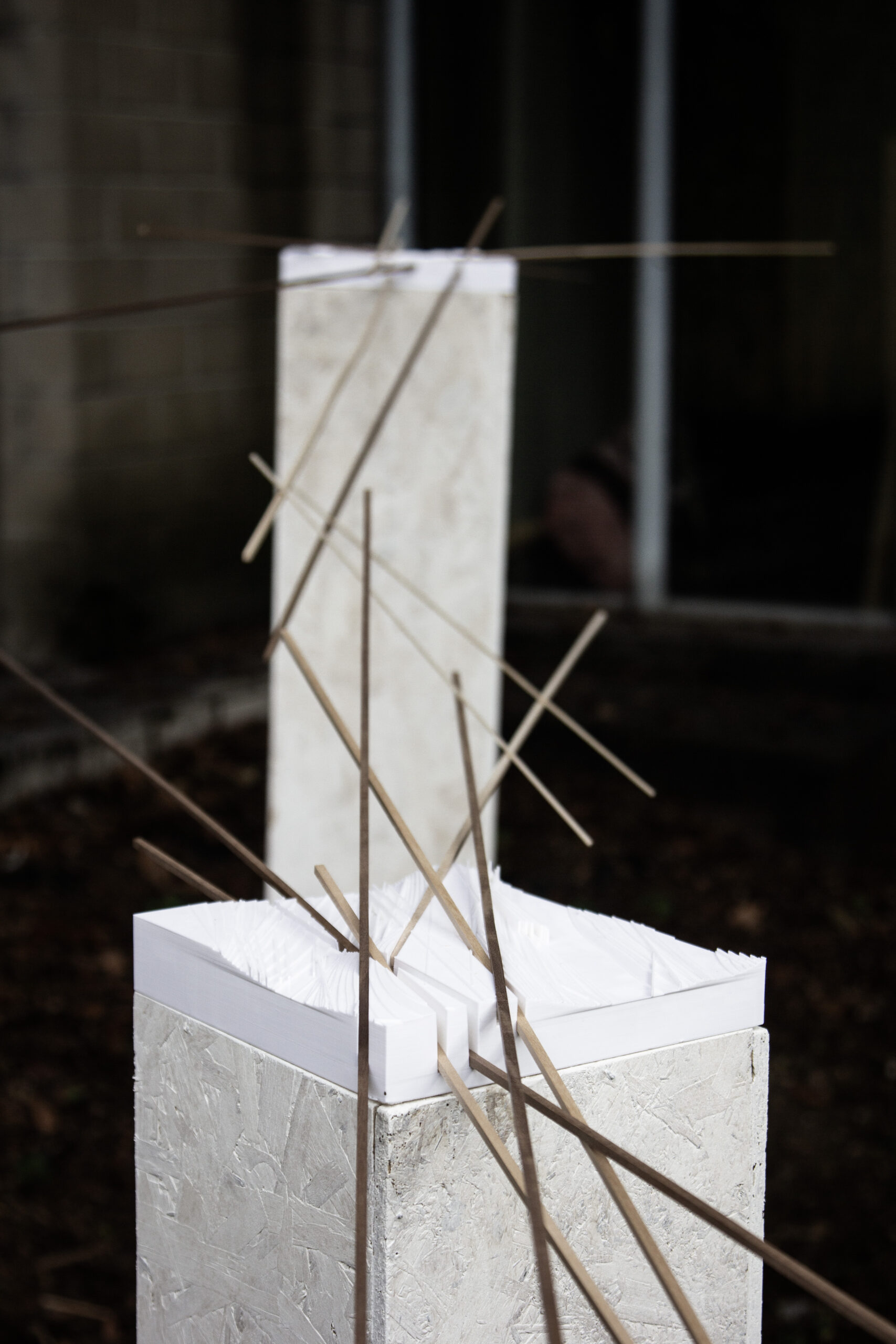
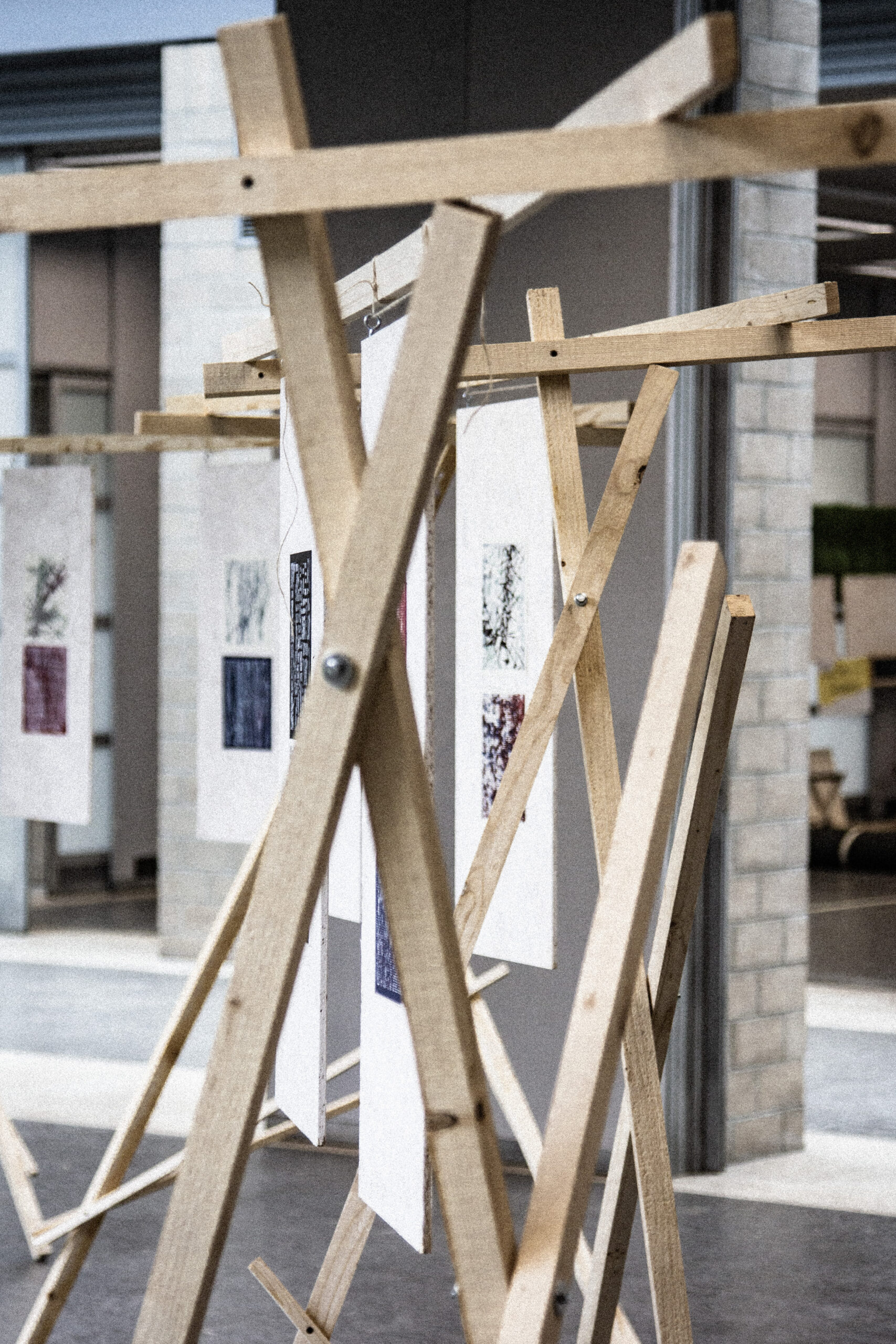
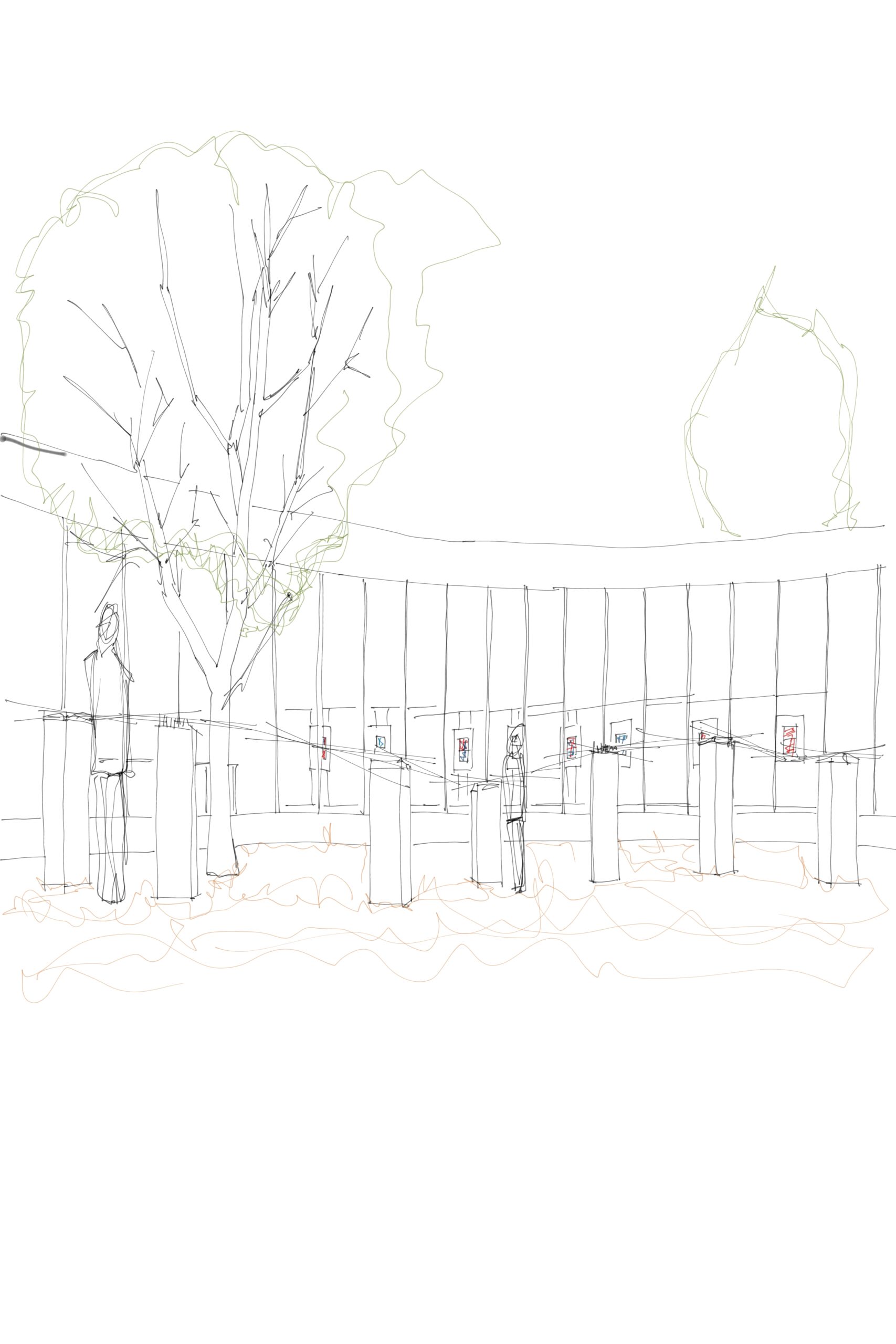
TRACES explores the relationship between ground, geometry and memory through a sequence of spatial, sculptural and printed traces. The project originates from the image of the dream: a continuous flow of fragments that, upon waking, leaves only partial impressions. Reliefs, printed matrices, suspended elements and sound construct a field in which digital precision encounters matter, gesture and variation. The installation moves between three-dimensional form and surface, between what is experienced in space and what remains as an imprint.
A short conversation about TRACES, its ideas, processes and making.
Concept and Development (pdf Dossier)
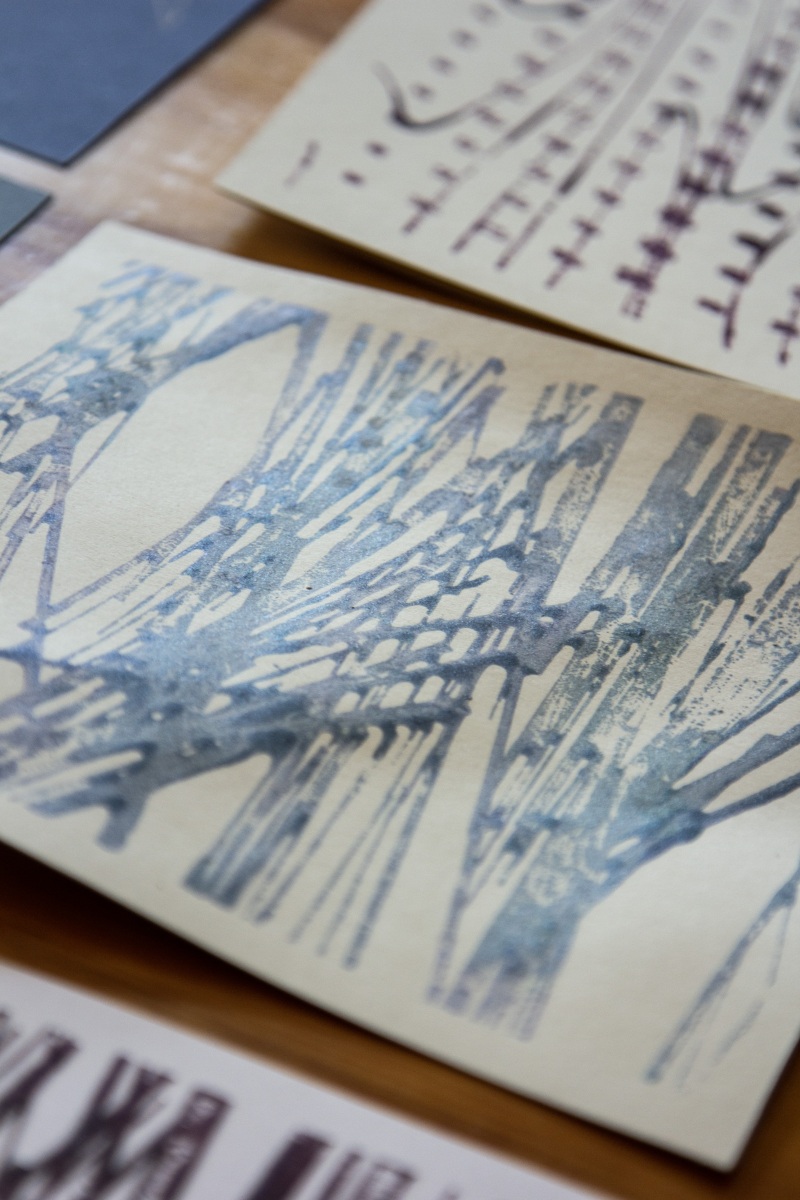
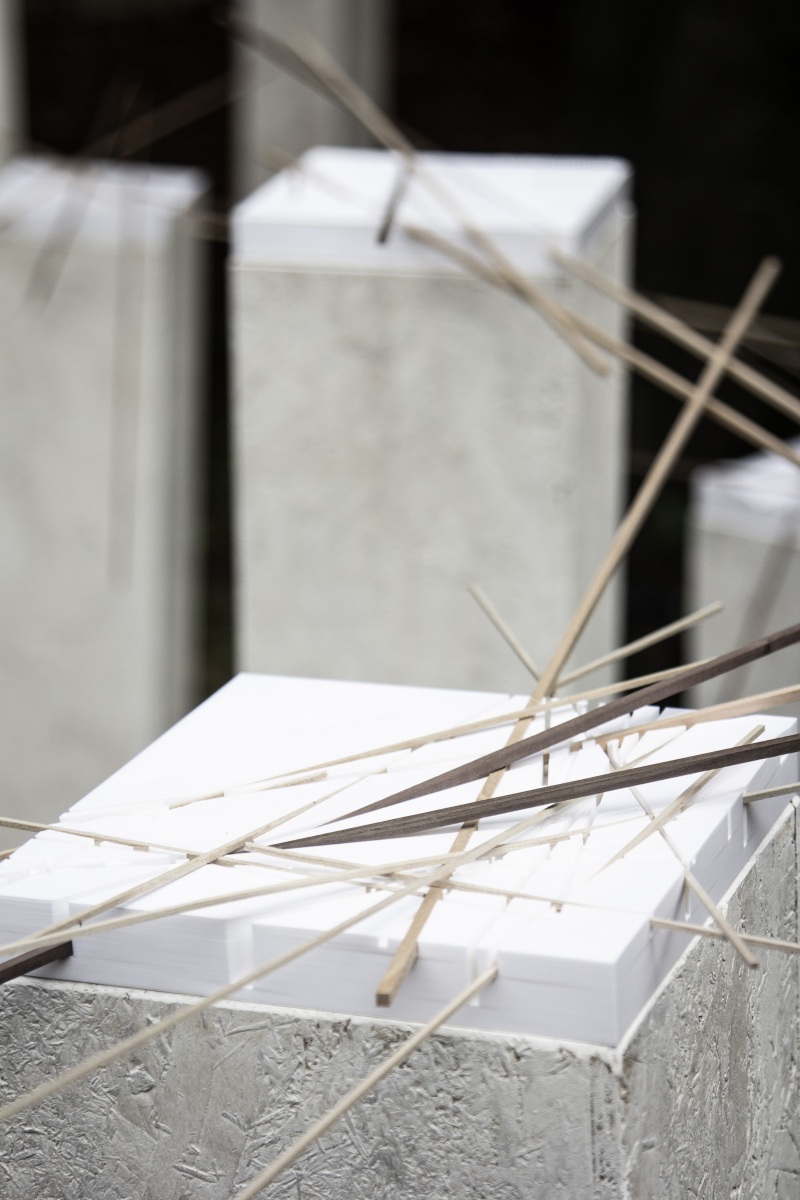
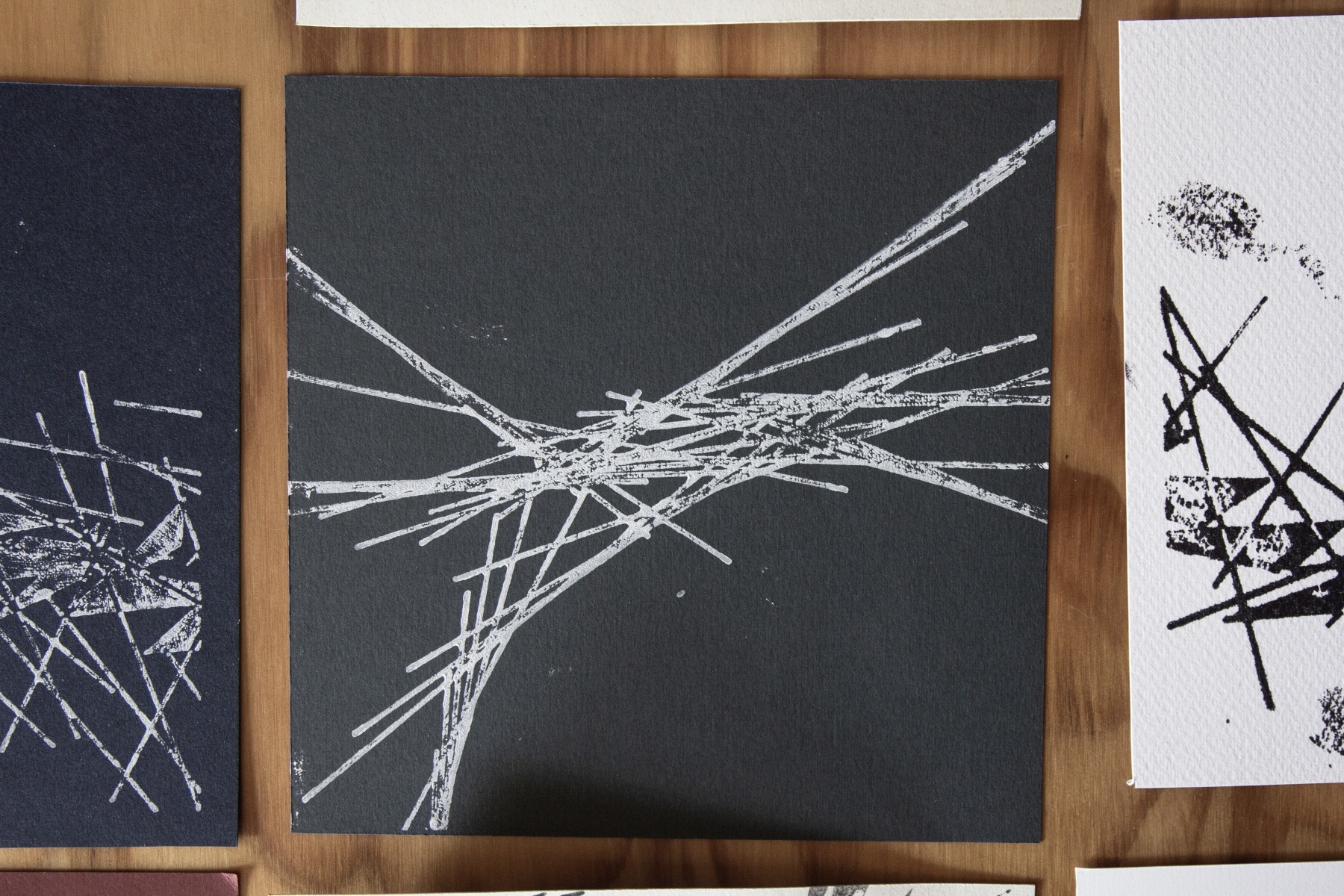
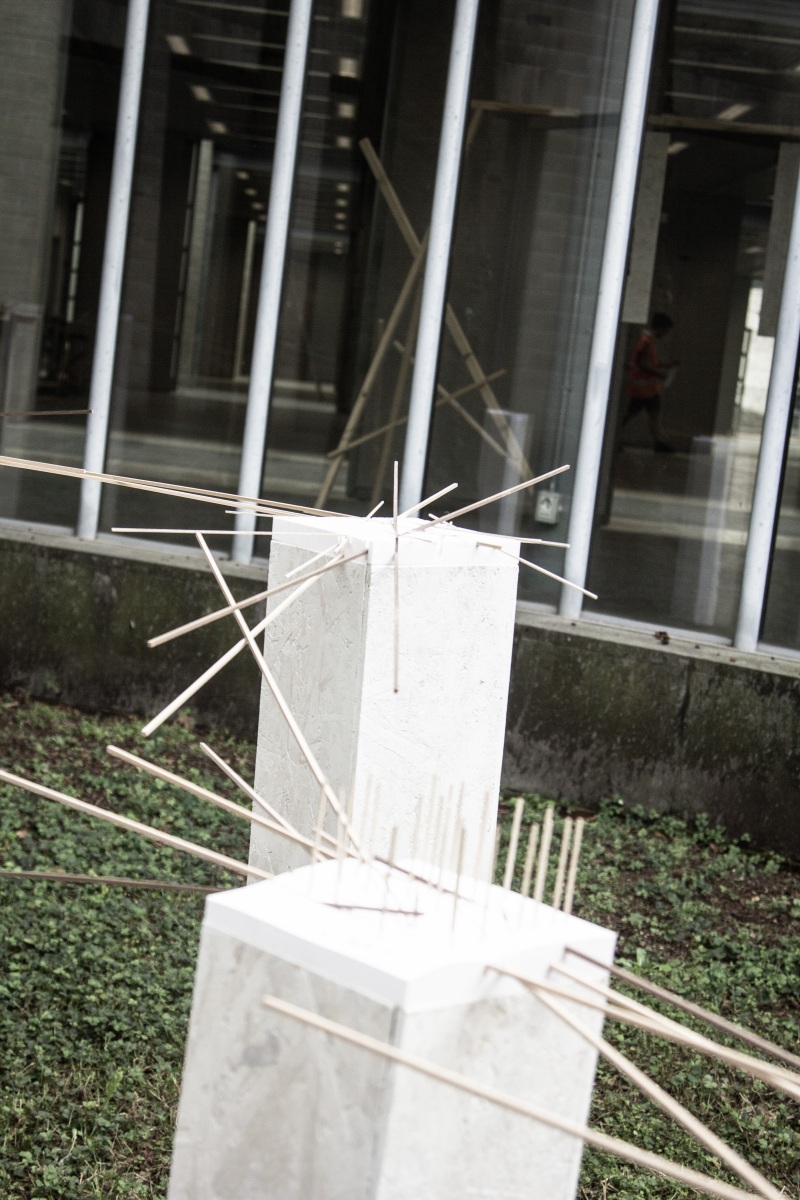
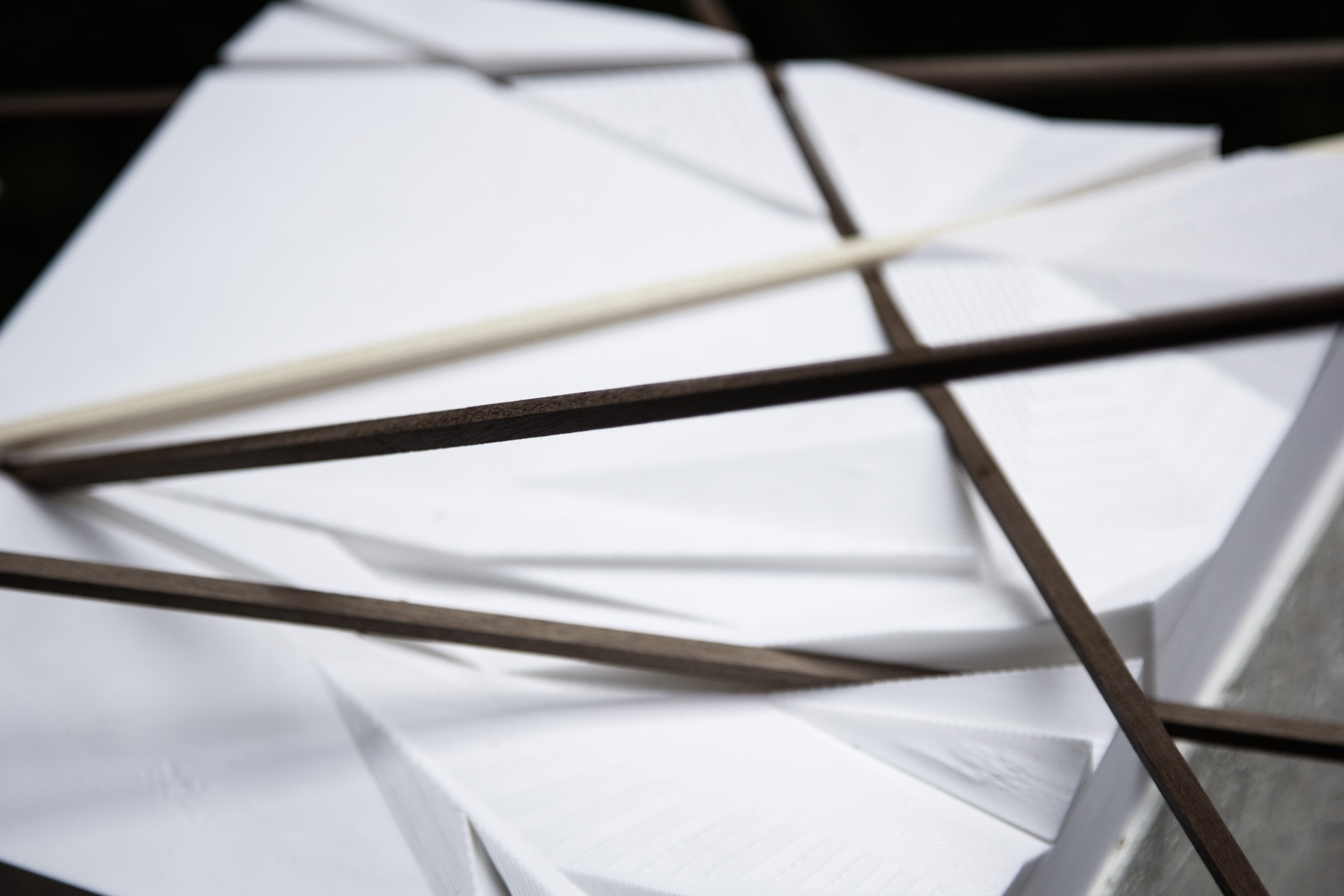
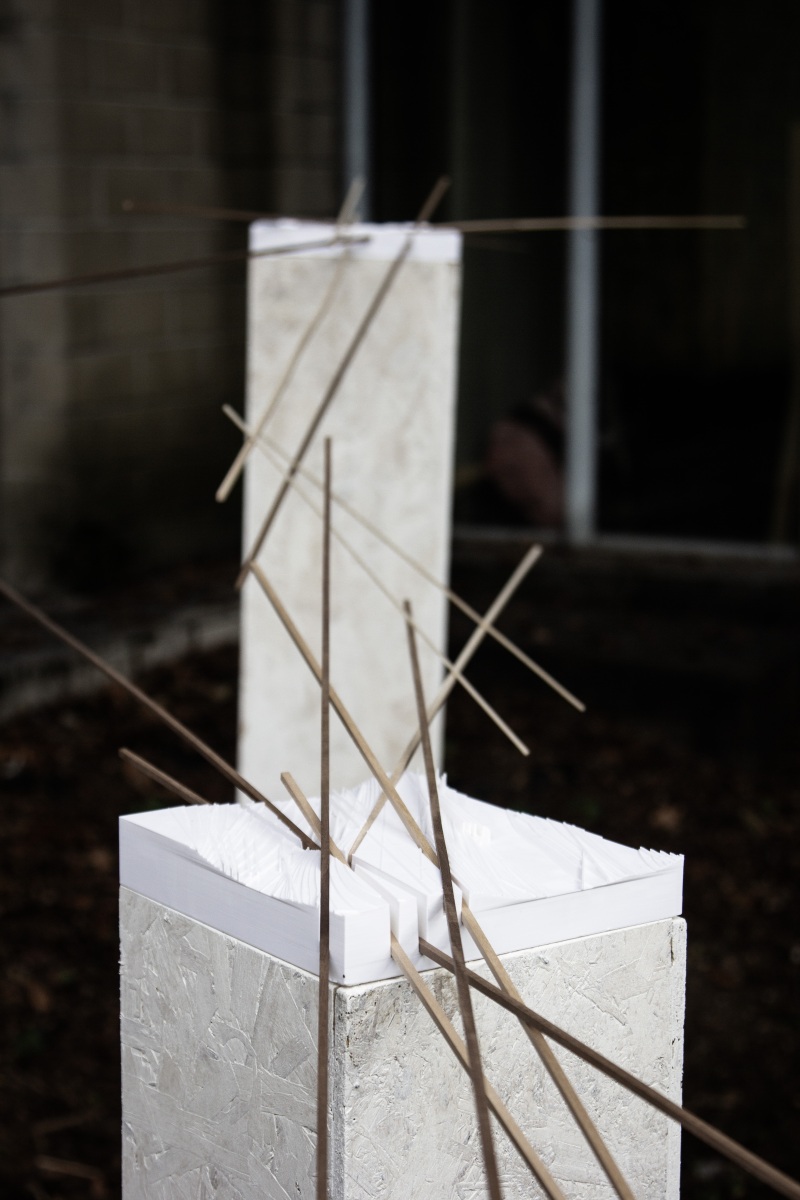
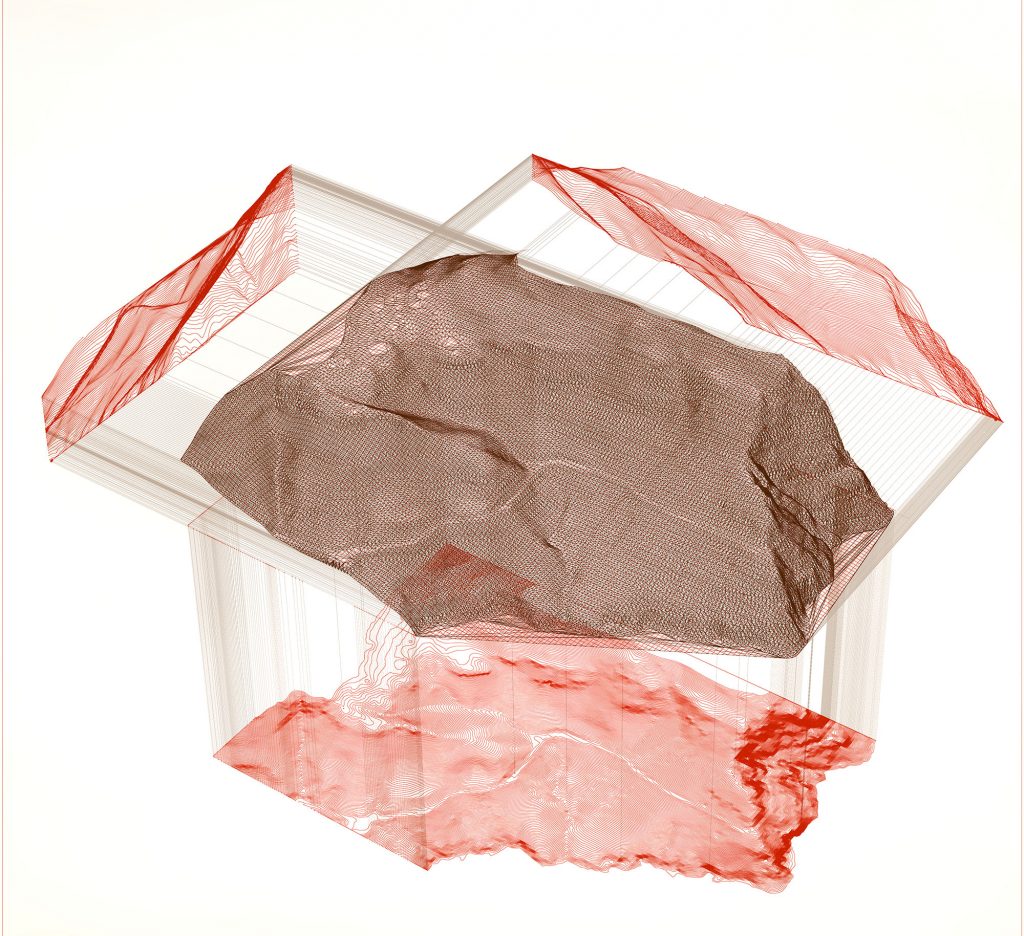
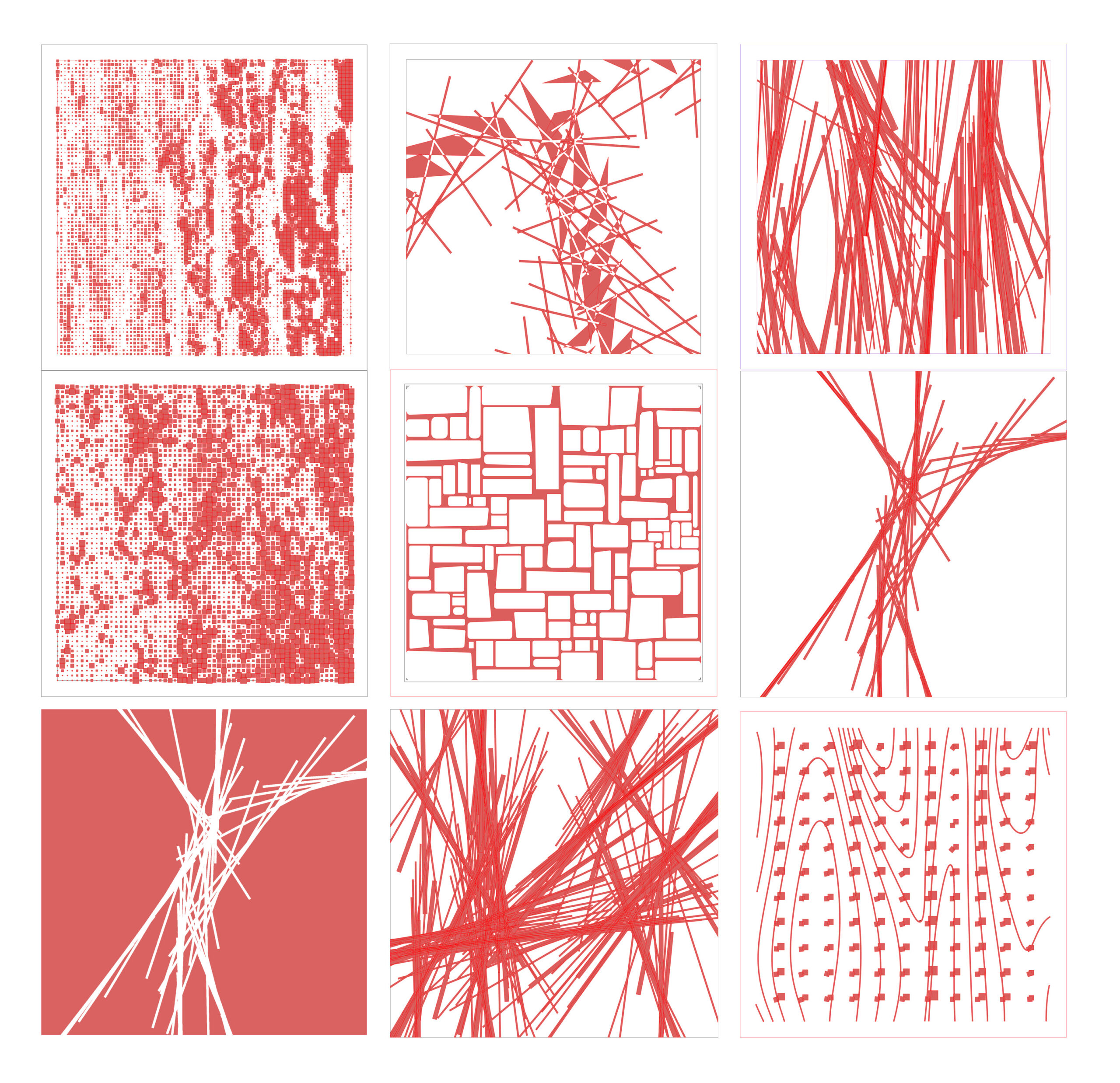
TRACES develops from a reflection on the ground as a living surface: a material field continuously shaped by natural processes and human actions, where geometry does not simply impose an order but enters into a relationship with topography, resistance and matter. Rational figures, fragments of terrain and operations of transformation become episodes within a larger narrative, each recording a different encounter between an abstract rule and a specific condition.
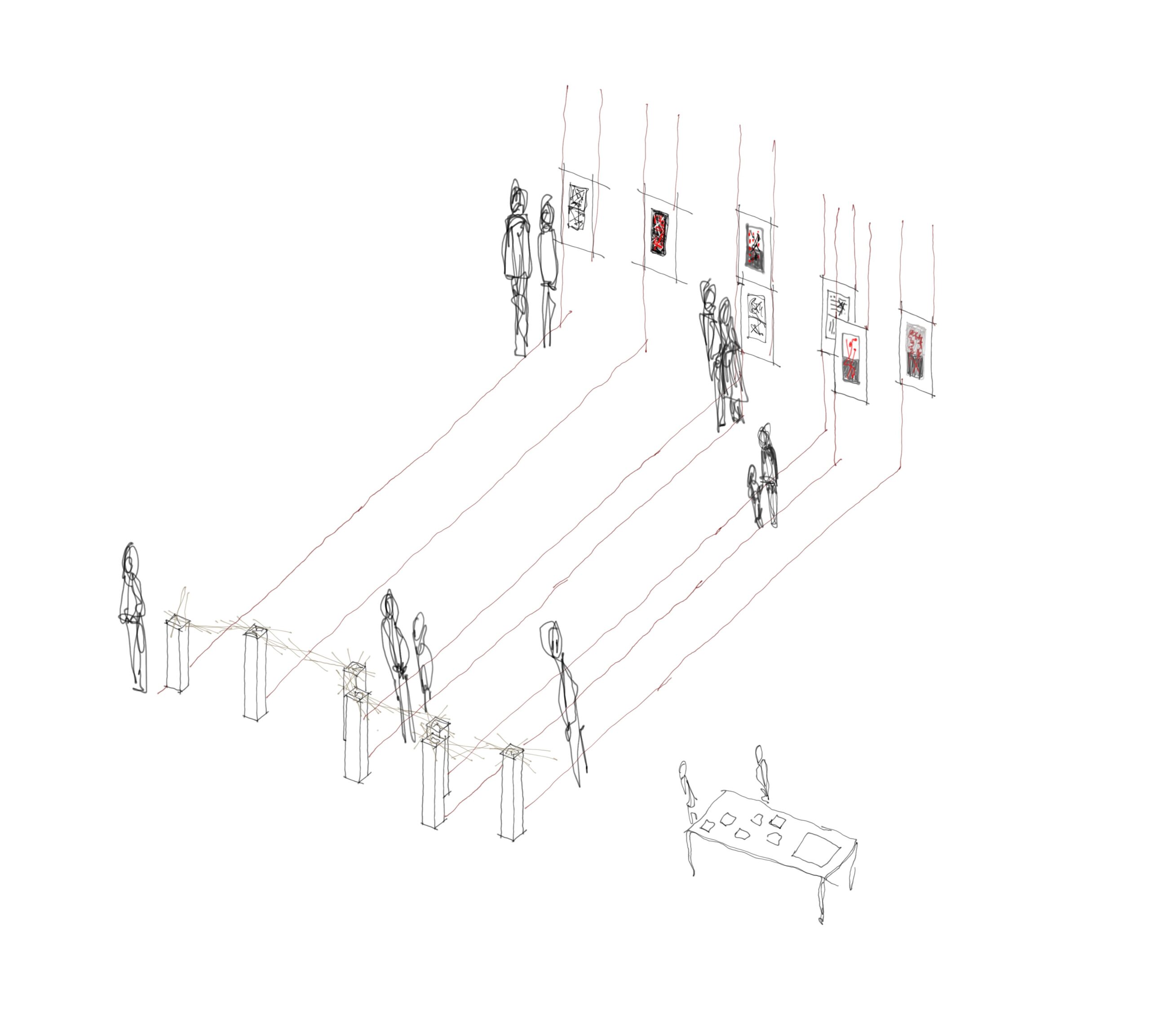
The installation unfolds through three interconnected dimensions. The first is spatial: a sequence of suspended elements, surfaces and lines constructs an environment to be crossed, establishing changing relationships between interior and exterior, proximity and distance, physical presence and reflected image. The second is sculptural: a series of 3D-printed reliefs investigates the tension between rational geometry and topography, between measured form and a surface understood as the result of continuous modification. The third dimension is print, where the three-dimensional process is compressed into an imprint and transferred onto a flat surface.
The 3D-printed elements therefore operate both as objects and as matrices. Ink is applied manually with a brush and transferred to paper through pressure. What originates from a digitally controlled geometry is completed by an action that can never be repeated in exactly the same way: pressure changes, ink accumulates differently, paper absorbs unevenly, and the movement of the hand remains visible. Repetition becomes variation. The matrix establishes a rule, while each impression records a singular event.
In this passage from relief to print, volume becomes trace and physical thickness survives as memory. The work moves continuously between precision and instability, digital modelling and manual action, visual perception and touch. The apparent opposition between geometry and ground is therefore replaced by a process of reciprocal modification: the abstract figure reacts to the surface, while the surface acquires a new, memorable form through that encounter.
Sound extends this logic into time. Simone Libralon’s contribution is based on patterns that overlap, separate and return in altered configurations, constructing a field of resonance rather than a linear accompaniment. As in the reliefs and prints, identity persists through repetition while each recurrence introduces a difference. Fraschini Orticolariosound 03-26
The final passage belongs to the visitor. Some of the matrices used in the installation are made available together with paper, brushes and ink. Anyone can repeat the process, produce an individual impression and take it away. The work thus continues beyond the physical limits of the installation: the same matrix generates different traces, and each trace becomes the material memory of a gesture and of a passage through the space.
Related projects